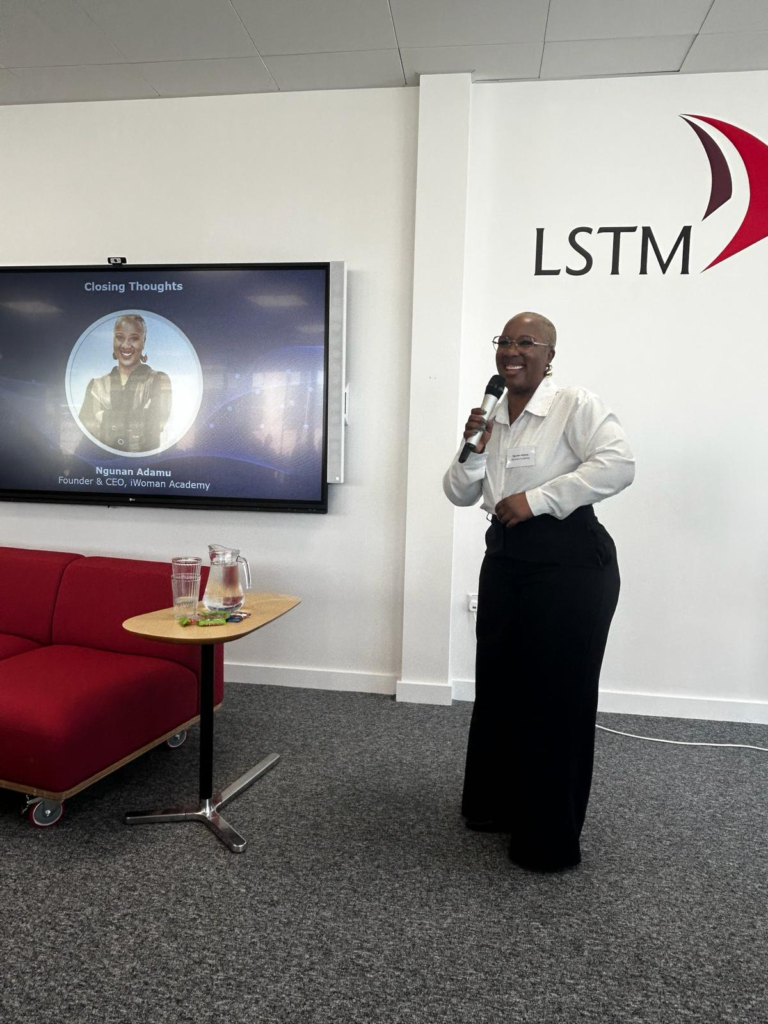
Last week, we attended Shaping the Future of Health for Women, an event that was part of the Liverpool City Region Innovation Investment Fortnight exploring the gender health gap and the innovations emerging to address it. It was an eye-opening, candid afternoon, listening to healthcare leaders, researchers, entrepreneurs, innovators and policymakers who all came together to talk honestly about women’s health.
The event took place against the backdrop of the recently published Health of Women in Liverpool report, which highlights the health inequalities experienced by women across the city and aims to inform the work of the Liverpool Women’s Health Taskforce in the years ahead.
Women’s health has been designed around male data
One of the most striking themes running throughout the day was the reality that much of modern healthcare has historically been built around male bodies. Indeed, one of the panels was titled
In a panel titled “Women are not just small men” chaired by Catherine McLennan, NHS Director of Women’s Health, Maternity and Neonatal Services and Founder of Improving Me, speakers including Amina Ismail, Lucy Hope of Daughters of Mars and James Woolgar from Liverpool City Council explored how women continue to experience delayed diagnoses, misunderstood symptoms and barriers to appropriate care.
From cardiovascular disease to chronic pain conditions, the consequences of research gaps and male-centred clinical data continue to be felt by women today.
The price of pain
Much of the discussion focused on endometriosis, a condition affecting around one in ten women.
The statistics are stark. Women can wait between eight and twelve years for a diagnosis. Many experience years of pain before being taken seriously, often while trying to maintain careers, relationships and caring responsibilities.
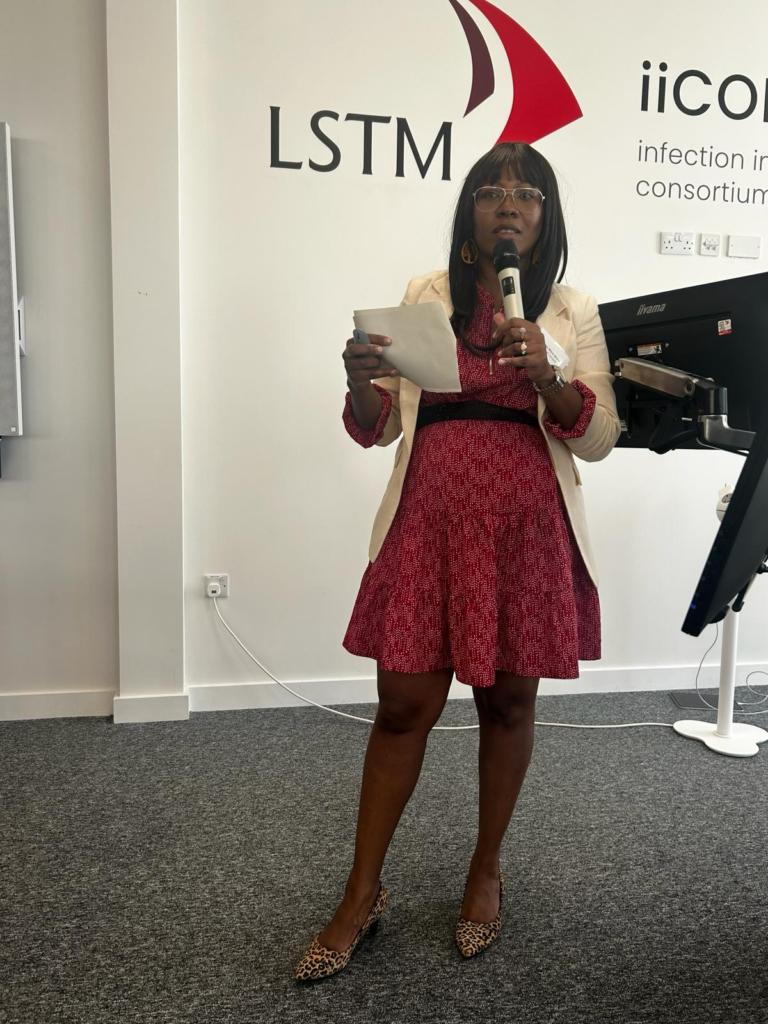
In a second panel chaired by Lilly Chatwin of Barclays Eagle Labs, speakers including Cllr Rahima Farah, Emma-Louise Fusari of In House Health, Mandy Townsend of Health Innovation North West Coast and Dr Maxx Holmes from the University of Oxford explored the wider consequences of living with ill health.
The discussion moved beyond healthcare and into economics, productivity and quality of life.
Endometriosis alone is estimated to cost the UK economy £8.2 billion annually through healthcare costs and lost productivity. Behind those figures are women navigating chronic pain, disrupted careers, mental health challenges and the emotional labour of repeatedly advocating for themselves within healthcare systems.
As Dr Maxx Holmes observed, making invisible illnesses visible requires allyship, awareness and action.
Innovation is part of the solution
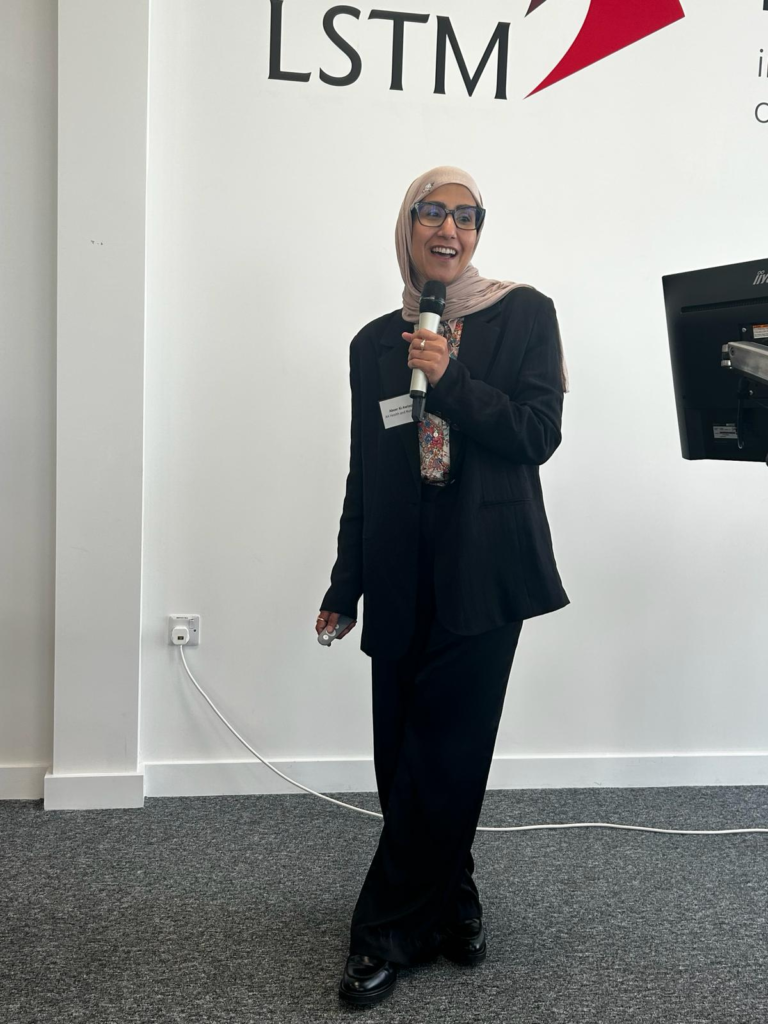
Alongside the discussions, a series of lightning talks showcased some of the innovators working to improve health outcomes for women.
Salome Mare-Walsh, founder of Salowal Ltd, explored the multiple invisible burdens many women carry simultaneously, from caregiving responsibilities and workplace pressures to the mental load associated with family life and cultural expectations. Her work combines mental health, physical health and inclusion support, recognising that wellbeing cannot be separated from the wider realities of people’s lives.
Abeer Al-Awlaqi highlighted the impact menopause can have on women in the workplace, sharing figures from the Fawcett Society showing that 14 million working hours are lost each year due to menopausal symptoms. The session explored the importance of culturally sensitive approaches to menopause support and education.
Charlotte Corke, founder of Bit Baby, introduced an innovative wearable device designed to help expectant parents better understand and monitor their baby’s movements at home. Using machine learning to interpret movement patterns, the technology aims to provide reassurance while reducing reliance on unregulated sources of information and support.
Tom Holland and Laura McCabe of EndoScan.ai shared their work developing an AI-assisted diagnostic pathway for endometriosis. By combining specialist ultrasound imaging, expert clinical review and artificial intelligence, the team hopes to dramatically reduce the time it takes women to receive answers about a condition that has historically been under-recognised and underfunded.
Their presentation served as a reminder that the gender health gap is not simply a challenge to be discussed; it is a challenge that innovators across the Liverpool City Region and beyond are actively working to solve.
Collaboration will drive change
Perhaps the strongest message from the day was that no single organisation can close the gender health gap alone.
Healthcare providers, researchers, startups, employers, policymakers and communities all have a role to play.
The conversations ranged from improving GP training and increasing investment in women’s health research to creating more supportive workplaces and ensuring innovation funding reaches founders developing solutions for women’s health challenges.
What was encouraging was the willingness of people from different sectors to come together around a shared goal: improving outcomes for women.
The Liverpool City Region has a growing reputation as a hub for health innovation, and events like this demonstrate the value of creating spaces where evidence, lived experience and entrepreneurship can intersect.
The challenges are significant. But so too is the expertise, energy and determination of the people working to address them.
As the event closed with reflections from Ngunan Adamu, founder and CEO of iWoman Academy, there was a clear sense that progress will come not from isolated initiatives, but through collaboration, visibility and collective action.
And perhaps that was the most important takeaway of all.